


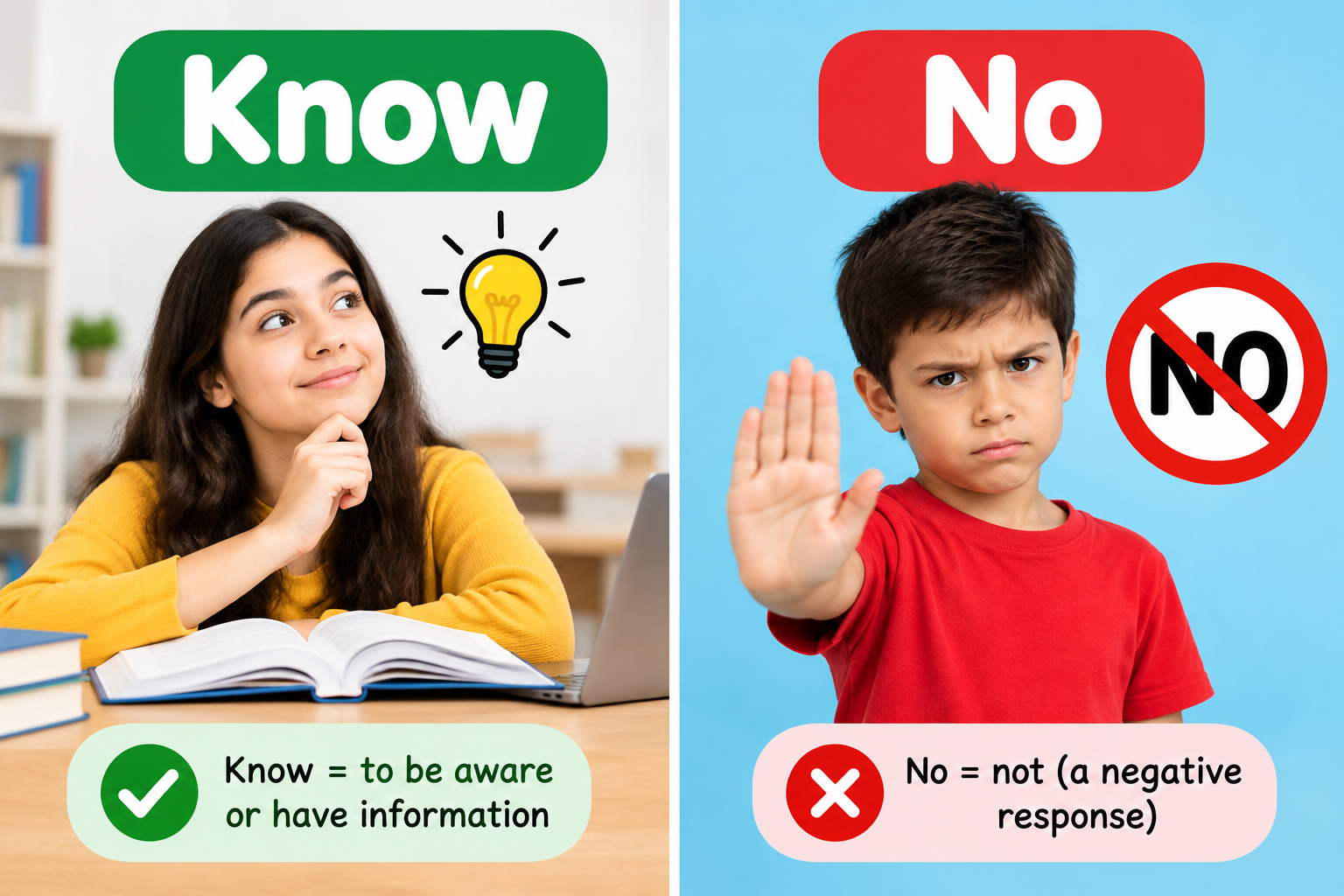
Choosing a brand name comes down to a simple threshold: it’s either a definitive “know” that builds immediate authority or a clear “no” that drains your marketing budget. Strategic naming eliminates linguistic friction, ensures instant audience recall, and aligns your brand identity with consumer psychology from day one.
Most founders waste weeks scrolling through generic lists, only to pick a label that gets lost in the noise. Selecting brand name ideas isn’t about finding a word that merely sounds pleasant—it’s about engineering an asset that owns search engine results, passes the radio test, and protects your trademark equity.
Here is how to separate the high-converting contenders from the instant rejections.
Categorized Brand Name Lists
When evaluating potential options, look past personal preference. Every name must project a distinct personality, carry semantic weight, and serve a clear commercial purpose.
Modern & Tech-Forward
- Veloce | Velocity, high performance, precision | Fintech, SaaS, AI infrastructure
- Aetheris | Limitless, atmospheric, elevated | Cloud computing, data analytics
- Kinetix | Active motion, structural energy | Logistics, robotics, biotech
- Zyra | Radiance, modern clarity | Web3 platforms, digital media
Aesthetic & Lifestyle
- Lilikoi | Exotic sweetness, vibrant luxury | Premium skincare, boutique hospitality
- Solene | Sunlight, calm elegance | Sustainable fashion, wellness brands
- Maisonette | Heritage, crafted comfort | Interior design, artisan goods
- Vespera | Evening calm, quiet sophistication | Luxury fragrance, nightwear
Professional & Corporate
- Aegis Alliance | Shielding protection, strategic trust | Cybersecurity, risk management
- Veritas Advisory | Absolute truth, objective insight | Management consulting, legal tech
- Crestview | Elevated perspective, steady growth | Wealth management, commercial real estate
- Meridian Capital | Peak performance, global alignment | Private equity, venture capital
Catchy & Minimalist
- Zing | Instant sharpness, high energy | Consumer apps, beverage brands
- Kip | Compact utility, friendly rest | Micro-travel platforms, habit trackers
- Nook | Cozy focus, curated space | Remote work tools, specialized communities
- Pulp | Raw texture, fresh material | Content studios, sustainable packaging
The Linguistic Psychology of “Know or No” Brand Names
Why do consumers instantly remember certain words while completely forgetting others? The secret lies in phonetics and cognitive load.
When an audience encounters your brand, their brains process two distinct layers:
- Phonetic Hardness: Names starting with hard plosives—letters like K, P, B, and T—create immediate cognitive momentum. They demand attention and signal confidence.
- Semantic Resonance: Soft vowels (O, A) and smooth continuants (L, M, S) elicit feelings of comfort, luxury, and warmth.
Here’s where most founders get it wrong: they mix conflicting phonetic signals. A cybersecurity firm named Lullaby fails because the soft acoustics undermine the core brand promise of impenetrable safety.
A definitive “know” name aligns its sound structure directly with its underlying emotional trigger. A “no” name creates cognitive dissonance that quietly kills conversion rates.
Brand Naming Comparison & Meaning Matrix
| Name Candidate | Core Vibe & Linguistic Weight | Ideal Industry / Brand Fit |
| Veloce | Sharp plosives; implies speed and technical mastery | SaaS, High-Frequency Trading, Logistics |
| Lilikoi | Melodic vowels; evokes sensory richness and warmth | Premium Consumer Goods, Wellness, Food & Beverage |
| Aegis | Strong historical root; communicates institutional safety | Corporate Security, Insurance, Wealth Preservation |
| Zing | Short mono-syllable; high contrast and playfulness | Consumer Tech, Energy Products, Creator Economy |
Common Pitfalls When Selecting Brand Names
Steer clear of these four brand-naming traps that frequently sink promising startups before launch:
- The Radio Test Failure: If you tell someone your name out loud in a noisy room, can they spell it correctly on the first try? If they type a different spelling into Google, you’re handing hard-earned traffic directly to competitors.
- The “Clever Spelling” Trap: Replacing an “S” with a “Z” or dropping essential vowels might help you secure a cheap domain name, but it forces you to spend thousands correcting customers for the lifetime of your business.
- Geographic or Category Lock-in: Naming your firm Austin Web Design sounds practical early on. But the moment you expand into enterprise consulting or scale across state lines, your name becomes a strategic bottleneck.
- Ignoring Trademark Exhaustion: Securing a clear
.comURL means nothing if a competitor holds an active trademark in your industry classification. Always run thorough USPTO and international trademark searches early in the process.
Strategic Selection Framework
To move efficiently from a broad pool of options down to a single winner, execute this four-step validation sequence:
[ Ideation & Filtering ] ➔ [ Linguistic Auditing ] ➔ [ Legal & Digital Checks ] ➔ [ Live Audience Validation ]
- Linguistic Audit: Say the name out loud ten times fast. Translate it across major global languages to ensure there are no accidental vulgarities or negative cultural connotations.
- Digital Availability Check: Verify exact-match domain options, primary social handles, and semantic search footprint. Ensure your chosen name won’t be forced to compete with dominant global entities in Google SERPs.
- Trademark Clearance: Run a comprehensive search through official trademark databases across target operating territories. Ensure your mark is legally defensible.
- The Friction Test: Present the name to ten people without context. Ask them three hours later to recall the name and describe what the company likely does.
Frequently Asked Questions
What makes a brand name a clear “know or no” candidate?
A candidate earns an instant “know” when it passes three strict criteria: effortless pronunciation, clear legal defensibility, and strong alignment with your brand’s core positioning. If a name creates spelling confusion, carries trademark conflicts, or fails to resonate with target consumers, it is an automatic “no.”
How do I evaluate domain availability for modern brand name ideas?
If the exact .com domain is unavailable or priced beyond your current budget, consider adding high-intent descriptors (e.g., Get[Name].com or Use[Name].com) rather than compromising on a misspelled version of your primary brand word.
Should I choose an invented word or a real word for my brand?
Real words bring built-in emotional resonance and familiarity, but they often carry higher domain costs and trademark hurdles. Invented words require more initial marketing spend to establish meaning, but offer clean legal protection and total ownership over branded search queries.
The Golden Rule of Brand Naming
If your brand name requires an explanation, an asterisk, or a spelling correction every time you say it aloud, it is a “no”—period. Hold out for the name that carries its own weight, commands immediate authority, and leaves zero doubt in the mind of your market.
The phrase “no man knows the day or the hour” (KJV) is often discussed in relation to biblical teachings about the uncertainty of future events and the importance of remaining prepared. In a completely different context, readers interested in nature and travel may also enjoy learning about turtles in Oahu, where sea turtles are an important part of the island’s marine environment. Exploring topics such as faith, preparedness, wildlife, and nature can provide readers with informative perspectives while connecting them to broader questions about life, time, and the natural world.
Understanding “No Man Knows the Day or the Hour” KJV and the Beauty of Turtles in Oahu
The phrase “no man knows the day or the hour KJV” comes from Jesus’ teaching in Matthew 24:36, reminding readers that the exact time of future events is known only to God. This biblical message encourages people to remain watchful, thoughtful, and prepared rather than trying to predict a specific day or hour. Interestingly, a visit to Oahu can also provide a peaceful opportunity for reflection, especially when observing the island’s remarkable turtles in Oahu. Hawaiian green sea turtles, known locally as honu, are an important part of the island’s natural environment and can often be seen in suitable coastal areas. Combining meaningful biblical reflection with appreciation for Oahu’s natural beauty can make for a memorable and thoughtful travel experience.
No One Know the Day or Hour: Understanding the Meaning and Message
The phrase “no one know the day or hour” carries an important message about the uncertainty of future events. It reminds readers that some events cannot be predicted with certainty, so people should remain prepared and mindful in their daily lives. This idea encourages individuals to focus on living responsibly, valuing their time, and maintaining a sense of awareness rather than trying to predict an exact date or moment. Understanding the meaning behind “no one know the day or hour” can help readers reflect on the importance of preparation, faith, and making meaningful use of the present.
