


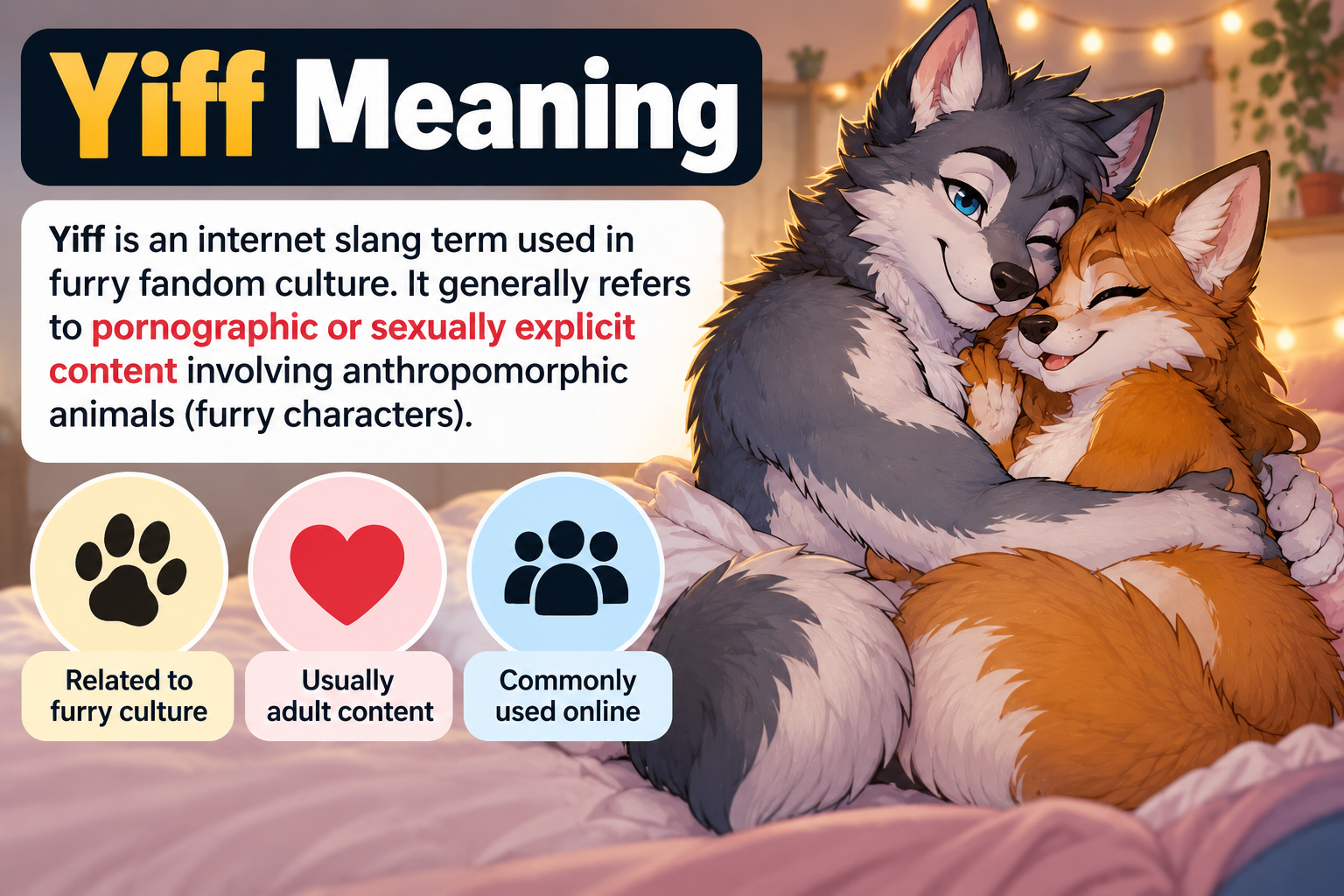
The term yiff meaning primarily refers to explicit art, media, or sexual activity within the furry fandom, originating as an onomatopoeic slang term in the late 1990s. Beyond its specific subcultural usage, understanding niche internet terminology like this is essential for brand strategists evaluating unique names, subcultural vocabulary, and domain safety.
Most generic name lists fail because they ignore the cultural weight behind specific terms. When researching distinct identifiers or exploring a slang name breakdown, evaluating origin and subcultural perception prevents costly trademark or branding missteps.
Categorized Name Lists & Subcultural Terminology
Understanding how niche slang functions helps creators separate subcultural jargon from viable brand identifiers. Here is how related creative terms compare across different brand aesthetics:
- Lilikoi | Exotic, vibrant, fresh | Best For: Lifestyle brands, tropical products, beverage lines
- Vixen | Bold, energetic, playful | Best For: Fashion labels, creative agencies, gaming handles
- Aether | Minimalist, atmospheric, modern | Best For: Tech startups, SaaS platforms, studio spaces
- Kitsune | Mythological, clever, distinct | Best For: Gaming studios, media brands, narrative projects
- Apex | Professional, authoritative, strong | Best For: Corporate consulting, finance, performance gear
Linguistic and Naming Psychology Breakdown
Here’s where most founders get it wrong: they pick a term purely based on sound without investigating its subcultural context. The phonetic structure of words shapes immediate psychological responses, but semantic history dictates long-term brand viability.
Terms like yiff meaning demonstrate how rapidly sound-symbolism transforms within online communities. Onomatopoeic words with soft fricatives and warm vowels often feel informal or intimate, which is why subcultures adopt them naturally.
When conducting a comprehensive slang name breakdown, analyzing phonetic appeal alongside semantic associations ensures your chosen identity resonates without unintended baggage.
Comparison and Meaning Matrix
| Name / Term | Meaning / Vibe | Ideal Industry / Brand Fit |
| Lilikoi | Hawaiian passionfruit; bright and inviting | Consumer packaged goods, wellness, media |
| Foxglove | Botanical, mysterious, elegant | Boutique retail, cosmetics, creative studios |
| Anima | Inner spirit, dynamic movement | Animation studios, AI tools, fitness platforms |
| Kestrel | Swift, precise, sharp | Tech platforms, logistics, outdoor gear |
Common Pitfalls When Selecting Names
- Ignoring Subcultural Slang: Failing to search subcultural dictionaries before registering a domain can tie your business to unwanted connotations.
- Pronunciation Friction: Choosing terms that sound striking in print but cause confusion when spoken aloud.
- Trademark Bottlenecks: Selecting overly common digital terms that face immediate legal opposition.
- Scaling Limitations: Picking a hyper-specific name that prevents future expansion into broader markets.
Strategic Selection Framework
- Audit Semantic Context: Run any proposed word through slang databases, urban dictionaries, and global search engines to verify secondary meanings.
- Evaluate Phonetic Clarity: Say the name aloud ten times in distinct sentences to test readability and sound rhythm.
- Check Domain and Social Availability: Ensure matching handles and domain extensions are clear of existing subcultural clutter.
- Test Audience Perception: Survey a neutral target group to gather unbiased feedback on tone, sentiment, and visual associations.
Frequently Asked Questions
What is the origin of the term yiff?
The word originated inside online furry fandom chatrooms during the late 1990s as a phonetic representation of sound, eventually evolving into a explicit subcultural descriptor.
How do online slang terms impact brand naming decisions?
Niche vocabulary can carry established meanings that surprise founders later. Performing a slang name breakdown ensures a brand name carries no unintended associations across internet subcultures.
Why is semantic context important when choosing a brand name?
Words carry distinct emotional triggers and cultural histories. Ensuring your name aligns with consumer expectations prevents brand confusion and protects domain equity.
The 1-Rule Golden Takeaway
Never commit to a brand identity based on sound alone; always verify the cultural story the internet has already written for that word.
