


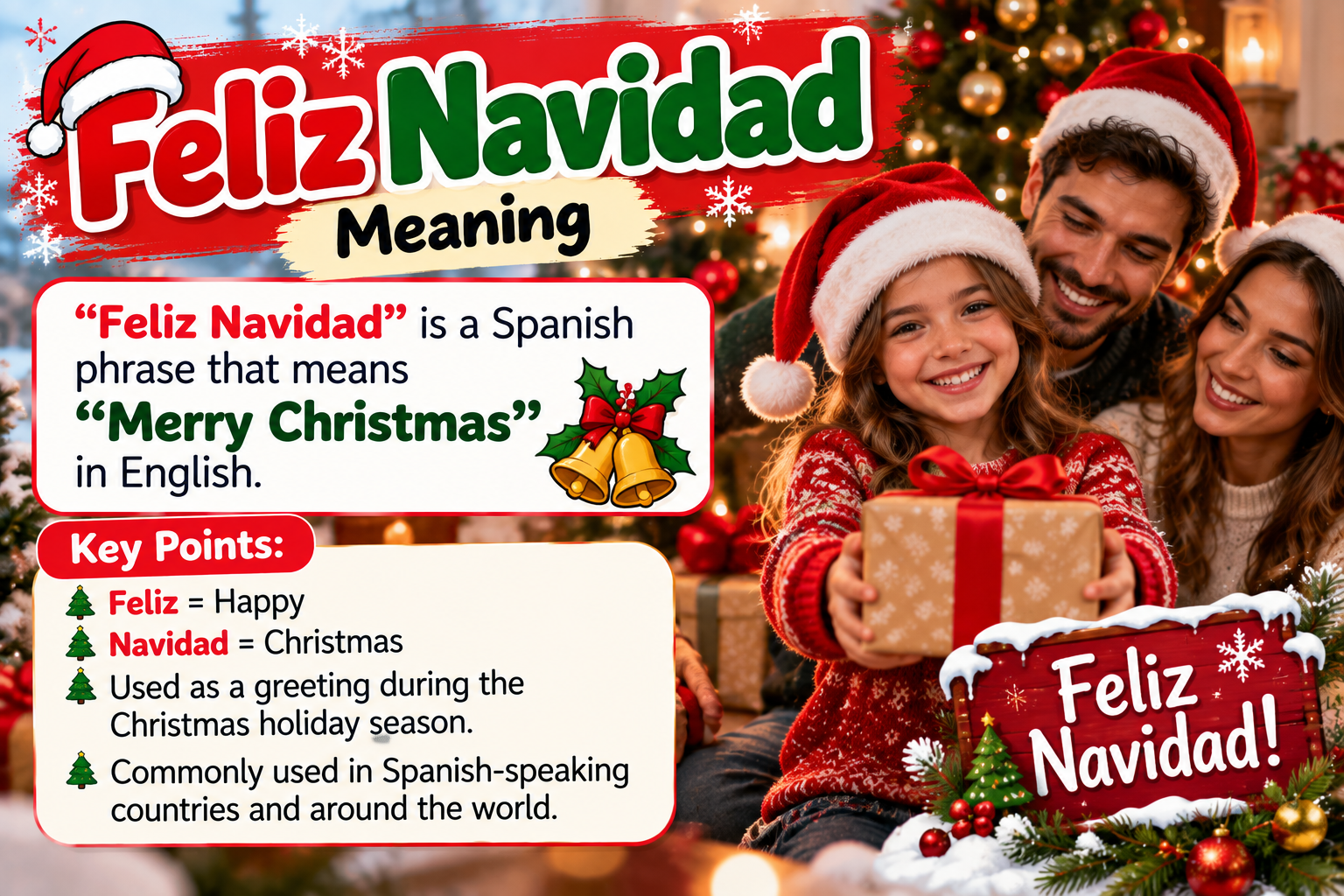
Feliz Navidad translates directly from Spanish to English as “Merry Christmas” or “Happy Christmas,” serving as the universal holiday greeting across the Spanish-speaking world. Derived from Latin roots celebrating nativity and birth, the phrase encapsulates warmth, joy, and spiritual renewal throughout festive cultural traditions.
Most language learners know the words, but they miss the deep linguistic heritage and emotional resonance that make this greeting so powerful across diverse cultures. Whether you are expanding your festive vocabulary, exploring traditional Christmas greetings, or seeking evocative naming inspiration rooted in holiday themes, understanding the full context behind this iconic expression transforms how you communicate.
Categorized Christmas Greetings & Festive Expressions
Holiday expressions vary by context, tone, and cultural nuance. Understanding how different phrases function helps you select the perfect wording for cards, branding, or personal greetings.
- Feliz Navidad | Merry Christmas | Best for universal holiday wishes, family gatherings, and traditional festive branding.
- Prospero Año Nuevo | Prosperous New Year | Best for formal seasonal sign-offs, professional networking, and end-of-year corporate communications.
- Felices Fiestas | Happy Holidays | Best for inclusive winter greetings, general seasonal campaigns, and non-denominational events.
- Paz y Amor en esta Navidad | Peace and Love this Christmas | Best for heartfelt holiday cards, poetic messaging, and warm personal notes.
- Nochebuena Bendecida | Blessed Christmas Eve | Best for traditional family celebrations, Christmas Eve dinner invitations, and spiritual gatherings.
Linguistic & Naming Psychology Breakdown
The linguistic structure of Feliz Navidad carries distinct phonetic and psychological attributes that contribute to its timeless global appeal.
- Phonetic Harmony: The combination of the soft friction in feliz with the rhythmic, rolling cadence of navidad creates a naturally musical cadence. This fluid rhythm explains why the phrase integrates seamlessly into global music and memorable brand identity assets.
- Etymological Roots: Feliz stems from the Latin felix, signifying fruitful, happy, or fortunate. Navidad traces back to the Latin nativitas, meaning birth or nativity. Together, the terms evoke an emotional sense of fresh beginnings, vitality, and shared warmth.
- Universal Resonance: Because the phrase balances simplicity with rich cultural heritage, it functions exceptionally well as a warm greeting and as an evocative naming style for winter releases, seasonal products, and festive media platforms.
Comparison & Meaning Matrix
| Expression / Term | Core Meaning / Vibe | Ideal Usage / Brand Fit |
| Feliz Navidad | Joyful Nativity / Traditional Warmth | Universal Christmas greetings, festive retail lines, holiday campaigns |
| Felices Fiestas | Inclusive Celebration / Seasonal Cheer | Corporate holiday cards, diverse audience outreach, winter festivals |
| Nochebuena | Christmas Eve / Family Intimacy | Evening event hosting, culinary festive menus, special holiday editions |
| Año Nuevo | New Beginnings / Optimistic Energy | New Year launches, goal-setting campaigns, fresh start branding |
Common Pitfalls When Using Festive Spanish Expressions
Avoiding common cross-cultural and linguistic mistakes ensures your seasonal messaging remains authentic and polished:
- Literal Translation Friction: Translating English idiomatic phrases word-for-word into Spanish often results in awkward phrasing that lacks authentic cultural warmth.
- Pronunciation Over-Complication: Learners frequently mispronounce the final ‘d’ in navidad. In standard Spanish phonetics, it is voiced softly rather than struck hard, maintaining a smooth vocal flow.
- Ignoring Contextual Tone: Using overly formal terms like próspero año nuevo in casual family settings—or using hyper-casual slang in corporate holiday communications—can feel misaligned with your intended tone.
- Trademark and Domain Overlap: If you are adopting festive terms for business branding or seasonal collections, relying purely on high-frequency terms without adding unique modifiers can limit your search visibility and trademark availability.
Strategic Selection Framework for Festive Expressions
- Define the Intent: Determine whether your message or brand concept requires a traditional, formal, or broadly inclusive tone.
- Evaluate Phonetic Ease: Test the phrase aloud across your target audience to ensure smooth pronunciation and instant recognition.
- Verify Cultural Resonance: Check that the specific wording aligns with regional preferences across different Spanish-speaking populations.
- Test Brand Adaptability: If using the phrase for editorial content or product naming, ensure it pairs seamlessly with modern design aesthetics and digital platforms.
Frequently Asked Questions
What is the exact translation and Feliz Navidad meaning in English?
The exact translation of Feliz Navidad is “Merry Christmas” or “Happy Christmas.” Feliz means happy or joyful, while Navidad refers directly to the Nativity or Christmas holiday.
How do you pronounce Feliz Navidad correctly?
It is pronounced feh-LEEZ nah-vee-DAHD. The accent falls naturally on the second syllable of feliz and the final syllable of navidad, with a soft, gentle end on the final consonant.
What is the difference between Feliz Navidad and Felices Fiestas?
Feliz Navidad specifically celebrates Christmas, whereas Felices Fiestas translates to “Happy Holidays” or “Season’s Greetings,” making it a broader term that encompasses the entire winter holiday season.
The Golden Rule of Festive Communication
Authentic festive messaging relies on simplicity and cultural precision—strike the right balance between clear phonetic flow and genuine warmth, and your seasonal message will resonate effortlessly across every language.
