

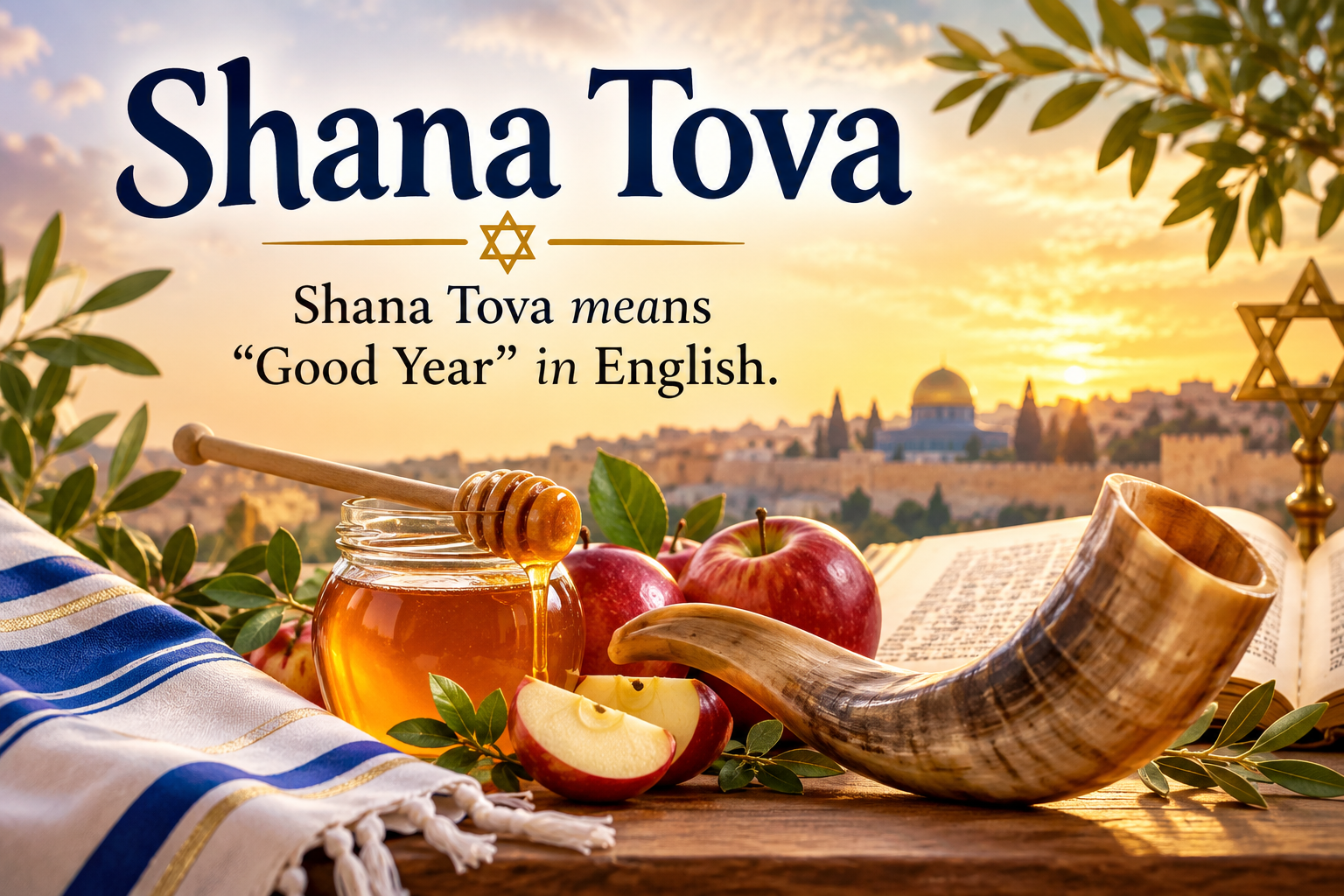
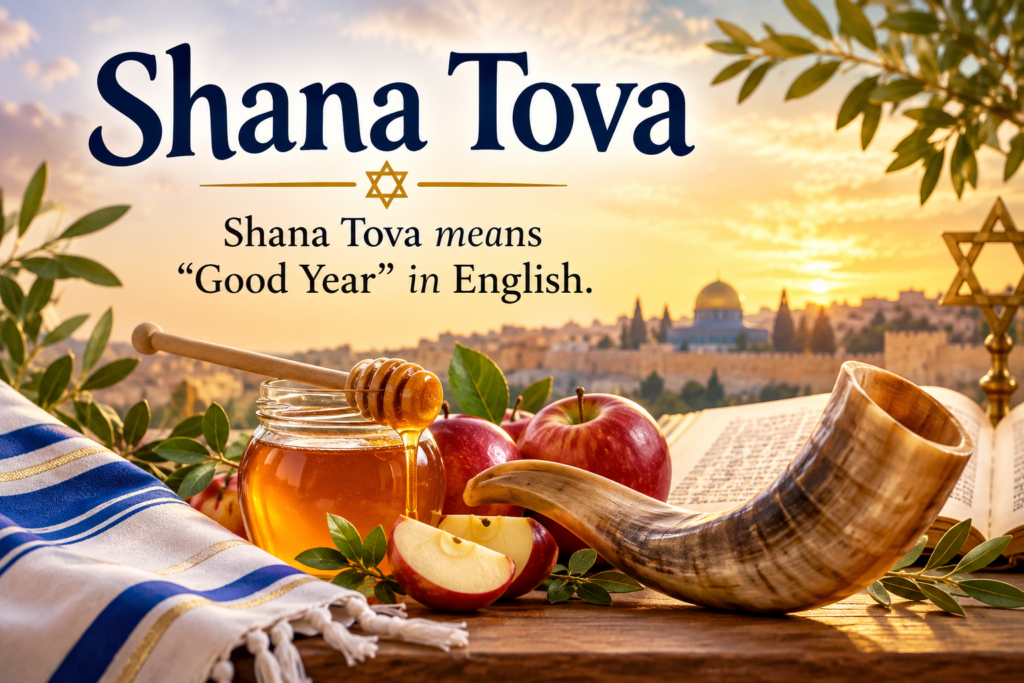
Shana Tova translates directly from Hebrew to “Good Year.” It functions as the foundational greeting exchanged during Rosh Hashanah (the Jewish New Year), expressing a heartfelt wish for prosperity, health, and sweet beginnings in the year ahead.
Most translations stop at the surface level. But whether you are navigating holiday greetings or exploring hebrew brand naming ideas, understanding the linguistic weight behind traditional terms changes how you evaluate cultural communication. Words that survive thousands of years do so because their phonetic flow and emotional resonance build immediate connection.
Let’s break down the mechanics of the phrase, its cultural variants, and what makes Hebrew naming conventions so distinct.
Linguistic & Naming Psychology Breakdown
Here is why Shana Tova works so effortlessly as both a seasonal greeting and a masterclass in semantic design.
Shana Tova Meaning
<div class="title">Shana Tova</div>

<div class="subtitle">
    Meaning, Translation & Word Breakdown
</div>

<div class="meaning-row">
    <div class="hebrew">
        Shana (שָׁנָה)
    </div>

    <div class="arrow">➔</div>

    <div class="meaning">
        Year / Change / Renewal
    </div>
</div>

<div class="plus">+</div>

<div class="meaning-row">
    <div class="hebrew">
        Tova (טוֹבָה)
    </div>

    <div class="arrow">➔</div>

    <div class="meaning">
        Good / Pleasant / Favorable
    </div>
</div>

<div class="equals">=</div>

<div class="result">
    <div class="result-title">
        Shana Tova
    </div>

    <div class="hebrew-big">
        שָׁנָה טוֹבָה
    </div>

    <div class="result-text">
        “A Good Year”
    </div>
</div>- Phonetic Harmony: The word Shana opens with a soft, open sibilant (“Sh”) followed by open vowels. It sounds warm, inviting, and memorable.
- Positive Framing: Unlike greetings that focus on the passage of time or aging, Tova anchors the phrase in optimism and tangible quality.
- Brevity & Adaptability: At four syllables total, the phrase carries maximum sentiment with zero friction—a core principle of effective communication and naming strategy.
Traditional & Cultural Variations
Hebrew holiday greetings adjust depending on the exact stage of the High Holy Days. Here is how Shana Tova expands across different contexts.
- Shana Tova: A Good Year | Best For: General Rosh Hashanah greetings, emails, and warm wishes.
- L’Shana Tova U’Metuka: For a Good and Sweet Year | Best For: Traditional family gatherings and festive card messages.
- Gmar Chatimah Tova: May You Be Sealed for Good | Best For: The solemn period leading up to and during Yom Kippur.
- Tizku L’Shanim Rabot: May You Merit Many Years | Best For: Sephardic Jewish greetings celebrating longevity and blessing.
Expression Comparison & Context Matrix
| Phrase | Literal Meaning | Emotional Vibe | Ideal Context / Usage |
| Shana Tova | Good Year | Warm, direct, universal | Standard greeting for friends, colleagues, and client notes |
| L’Shana Tova U’Metuka | A Good and Sweet Year | Festive, joyful, traditional | Festive dinners, gifts of apples and honey |
| Chag Sameach | Happy Holiday | Energetic, celebratory | General greeting applicable across almost all Jewish holidays |
| Gmar Chatimah Tova | A Good Final Sealing | Reflective, solemn, sincere | Exchanged between Rosh Hashanah and Yom Kippur |
Common Mistakes When Using Cultural Phrases & Names
When incorporating traditional Hebrew greetings—or using cultural terms in broader contexts—people frequently run into a few common friction points:
- Mixing up holiday timing: Using Shana Tova during Hanukkah or Passover instead of Rosh Hashanah. (Use Chag Sameach for general holidays).
- Ignoring phonetic spelling variations: Transliterations vary widely across Latin alphabets (Shanah Tovah, Shana Tova). For digital publishing or branding, sticking to the standard Shana Tova keeps search indexing clean and intuitive.
- Overcomplicating the delivery: Trying to recite long ceremonial phrases when a clean, authentic Shana Tova communicates your sentiment with far more natural warmth.
A Quick Framework for Evaluating Hebrew-Inspired Names
If you are exploring hebrew brand naming ideas or analyzing naming structures inspired by classical roots, filter your choices through this three-part validation loop:
- Phonetic Clarity: Does the name translate smoothly into Latin script without causing pronunciation hesitation?
- Root Meaning Check: Hebrew roots carry dense symbolic weight. Verify the tri-consonantal root (shoresh) to ensure the underlying meaning aligns with your intended positioning.
- Global Accessibility: Ensure the combination of vowels and consonants flows effortlessly across multiple languages and modern digital platforms.
Frequently Asked Questions
What is the literal translation of Shana Tova?
Shana means “year” and Tova means “good.” Together, the phrase translates directly to “Good Year.”
How do you respond when someone says Shana Tova to you?
You can simply respond with “Shana Tova!” or say “L’Shana Tova!” (To a good year). Both are universally accepted and polite.
Is Shana Tova used for Hanukkah?
No. Shana Tova is specifically the greeting for Rosh Hashanah (the Jewish New Year). For Hanukkah, the appropriate greeting is “Chag Sameach” (Happy Holiday) or “Happy Hanukkah.”
The Golden Naming Rule
The best phrases—and the best brand names—say the most with the absolute minimum. When communication is anchored in clarity, optimism, and strong linguistic roots, it sticks effortlessly for generations.
