


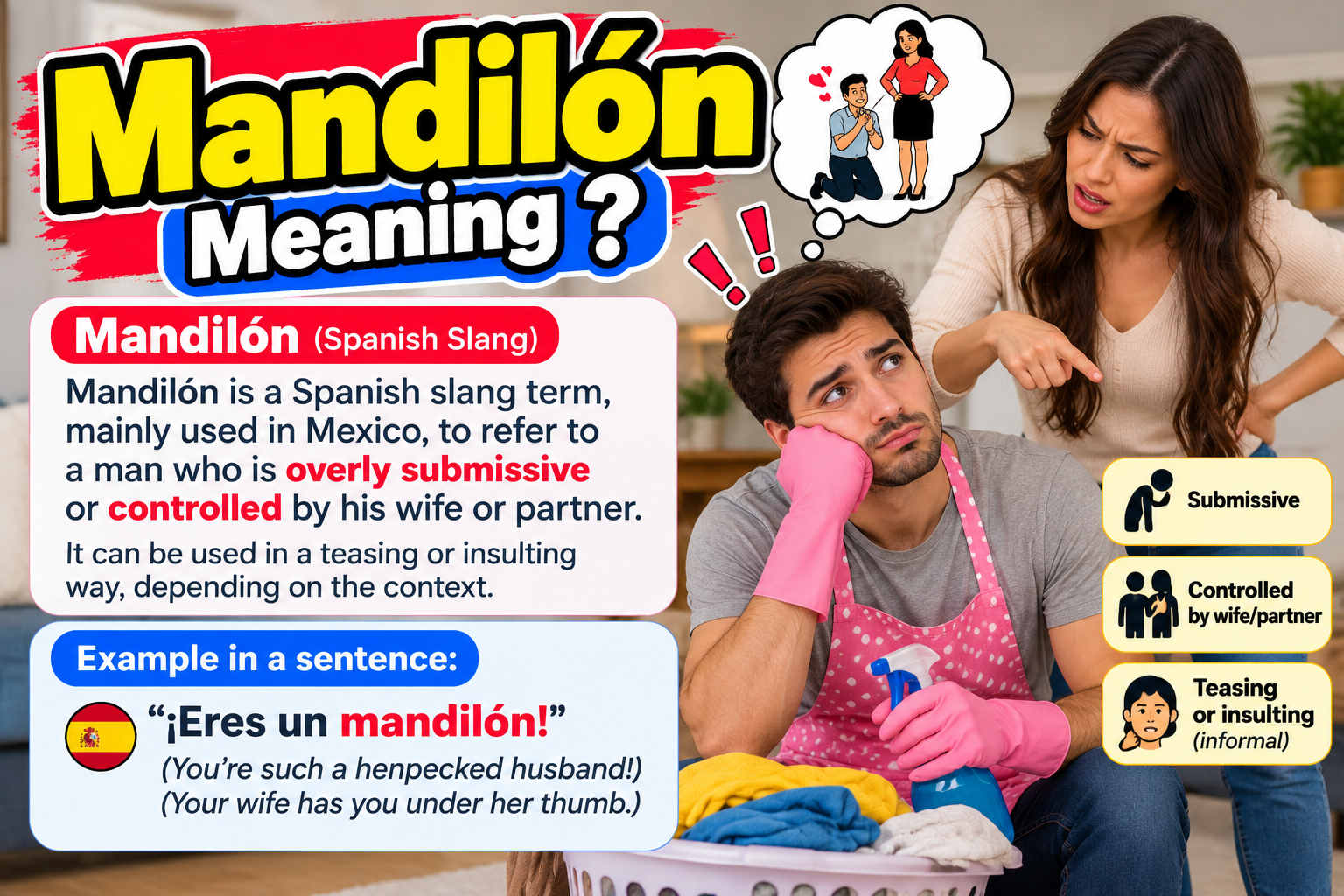
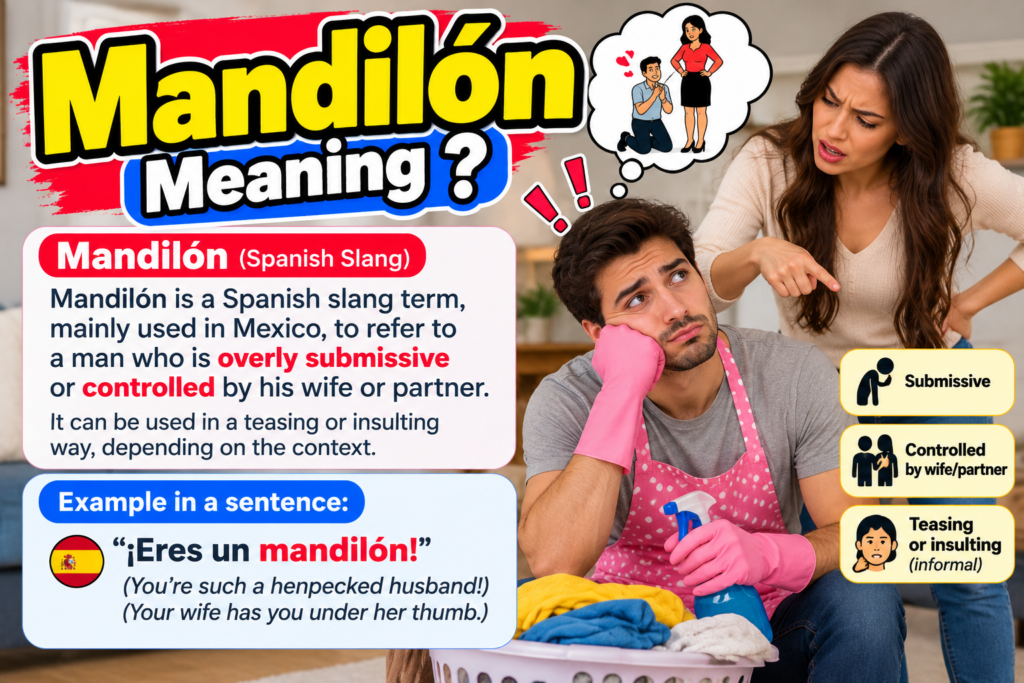
In Mexican Spanish slang, a mandilón (or mandilon) refers to a man who is overly submissive to his wife or partner, often controlled or dominated by her in domestic decisions. The term originates from the Spanish word mandil (apron), symbolically linking a husband to household chores traditionally associated with domestic servitude.
Most generic dictionary entries miss the nuanced cultural shift this term has undergone in modern pop culture and brand naming strategy. While historically used as a lighthearted or teasing insult, understanding words with strong colloquial roots like mandilón provides valuable insights into regional semantics, brand perception, and narrative positioning.
Categorized Name Lists Inspired by Domestic & Devotional Concepts
When building a brand around themes of dedication, domestic care, loyalty, or home management, moving away from harsh slang toward refined, evocative names is essential. Here are strategic name concepts organized by brand personality:
Modern & Minimalist
- Mandil | Apron / Craft / Stewardship | Best for culinary apparel, artisanal kitchenware, and craft workshops.
- Devot | Loyal / Dedicated / Focused | Best for subscription services, relationship coaching, and personal concierge apps.
- Domus | Home / Shelter / Belonging | Best for residential real estate, smart home automation, and interior design studios.
Aesthetic & Lifestyle
- Hogar Craft | Warmth / Hearth / Handmade | Best for boutique home decor, handcrafted furniture, and cozy lifestyle goods.
- Loyal & Co. | Fidelity / Service / Partnership | Best for premium pet care, high-end hospitality, and concierge services.
- Aura Domestic | Serenity / Sanctuary / Care | Best for eco-friendly home cleaning products and wellness retreats.
Catchy & Professional
- Homeward | Direction / Belonging / Protection | Best for property management, home insurance, and family financial planning.
- Kinship | Bond / Community / Trust | Best for family management software, co-living spaces, and community platforms.
- Vessel Home | Utility / Style / Foundation | Best for kitchen organization systems and minimalist home storage products.
Linguistic & Naming Psychology Breakdown
Understanding the linguistic root of mandilón reveals why certain sounds and meanings carry such heavy cultural weight in market messaging.
The word stems from mandil (apron), augmented by the suffix -ón, which in Spanish amplifies the intensity of a characteristic (often with a humorous or derogatory tone). Phonetically, the hard consonant /d/ paired with the rolling /l/ creates a rhythmic, memorable sound structure, but the semantic weight carries immediate domestic connotations.
Word Evolution
Mandilón: From Latin to Slang
A simple visual path showing the historical and modern associations of the word.
🏛️
Latin
Mantellum
A Latin word associated with a cloak, covering, or piece of cloth. It is presented here as the historical starting point of the word family.
➔
🇪🇸
Spanish
Mandil
In Spanish, mandil means an apron or a protective garment worn while doing household or practical work.
➔
💬
Slang
Mandilón
In Mexican Spanish slang, mandilón can describe a man portrayed as overly submissive or controlled by his wife or partner. The expression is informal and can be teasing or insulting depending on context.
Meaning shift: A word connected with clothing developed a figurative slang use referring to a submissive partner.
Here’s where most founders get it wrong: using culturally loaded slang without auditing regional emotional triggers.
- Phonetic Friction: Words ending in heavy augmented suffixes (like -ón) often sound informal or mocking in Romance languages.
- Emotional Resonance: While domestic devotion can signal safety, care, and loyalty, slang like mandilón introduces comedic or passive subversion.
- Topical Authority: A brand targeting household utility must balance warmth with competence, avoiding terms that dilute authority or prestige.
Comparison & Meaning Matrix
| Name Concept | Root Meaning / Cultural Vibe | Ideal Industry / Brand Fit | Emotional Trigger |
| Mandilón | Slang for a submissive partner; apron wearer | Comedy media, cultural commentary, satire | Humor, regional familiarity |
| Mandil | Traditional apron; artisan craft worker | Culinary gear, barista wear, craft tools | Craftsmanship, utility, heritage |
| Devotion | Unyielding loyalty, care, and attention | Premium hospitality, relationship platforms | Trust, romance, deep care |
| Hogar | Hearth, home, family warmth | Real estate, family lifestyle, interior design | Security, comfort, belonging |
| Patrón | Boss, patron, protector, leader | Premium spirits, executive coaching, luxury | Authority, prestige, control |
Common Pitfalls When Selecting Names
- Ignoring Regional Slang Nuances: A word that sounds exotic or rhythmic in one language may carry awkward or embarrassing slang meanings in key target markets.
- Trademark Bottlenecks: Overly common colloquial terms often face heavy competition in legal trademark registries under general retail classes.
- Scaling & Category Constraints: Choosing a hyper-specific slang term locks your brand into a single joke or niche, making future product line expansions difficult.
- Pronunciation Friction: Non-native speakers may struggle with accents, soft vowels, or regional emphasis, creating unnecessary word-of-mouth resistance.
Strategic Selection Framework
Testing and validating a brand name requires a systematic approach rather than reliance on gut feeling alone. Follow these four steps before finalizing your brand identity:
1. Semantic Audit ➔ 2. Phonetic Test ➔ 3. Trademark Check ➔ 4. Audience Feedback
- Perform a Global Semantic Audit: Search your proposed name across urban dictionaries, regional slang databases, and dominant foreign languages to rule out unintended meanings.
- Conduct the Radio & Phone Test: Say the name out loud in a sentence: “Find us at [Name].com.” If you have to spell it out or explain the context, the phonetic friction is too high.
- Verify Domain & Digital Footprint: Check exact-match
.comavailability, social media handles, and search engine SERP competition to ensure easy indexation. - Test Emotional Perception: Run blind surveys with your target demographic to measure what feelings, industries, or price points they associate with the sound of the name.
Frequently Asked Questions
What is the literal translation and slang meaning of mandilón?
Literally, mandilón derives from mandil, which means apron. In Spanish slang, it describes a husband or boyfriend who is perceived as overly obedient or subservient to his wife or partner.
Is mandilón considered an offensive term?
It is generally considered lighthearted, teasing, or humorous slang rather than a severe profanity. However, its appropriateness depends entirely on the tone, context, and relationship between the speakers.
How does understanding slang impact brand naming strategy?
Auditing slang and colloquial meanings prevents brands from inadvertently adopting terms with negative, embarrassing, or limiting connotations in specific global markets.
The 1-Rule Golden Takeaway
Never choose a brand name based solely on how it sounds; validate what it means across every culture, language, and digital engine your customer touches.
